Richmond Hill house removals guide for narrow streets
Moving house is stressful enough without having to squeeze a van past parked cars, clipped kerbs, and a road that seems to narrow just when you need it most. If you are planning a move in Richmond Hill, the challenge is rarely the boxes themselves. It is the access. Tight turns, limited parking, steep gradients in places, and streets that were never designed for modern removal trucks can turn a simple moving day into a slow crawl. This Richmond Hill house removals guide for narrow streets is here to make the job feel far more manageable.
In this guide, you will learn how narrow-street moves actually work, what to prepare before the team arrives, which vehicle choices make life easier, and where people usually trip themselves up. We will also cover practical planning, legal and safety basics, and a few local-minded strategies that can save time and a lot of sighing on moving day. To be fair, once the access plan is right, the whole thing feels much less dramatic.
Table of Contents
- Why Richmond Hill house removals guide for narrow streets Matters
- How Richmond Hill house removals guide for narrow streets Works
- Key Benefits and Practical Advantages
- Who This Is For and When It Makes Sense
- Step-by-Step Guidance
- Expert Tips for Better Results
- Common Mistakes to Avoid
- Tools, Resources and Recommendations
- Law, Compliance, Standards, or Best Practice
- Options, Methods, or Comparison Table
- Case Study or Real-World Example
- Practical Checklist
- Conclusion
- Frequently Asked Questions
Why Richmond Hill house removals guide for narrow streets Matters
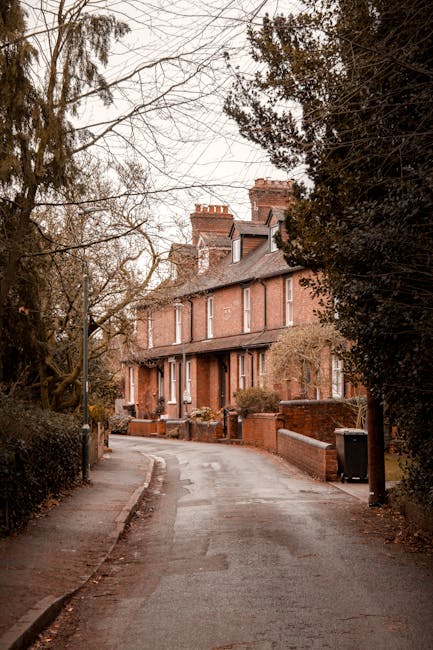
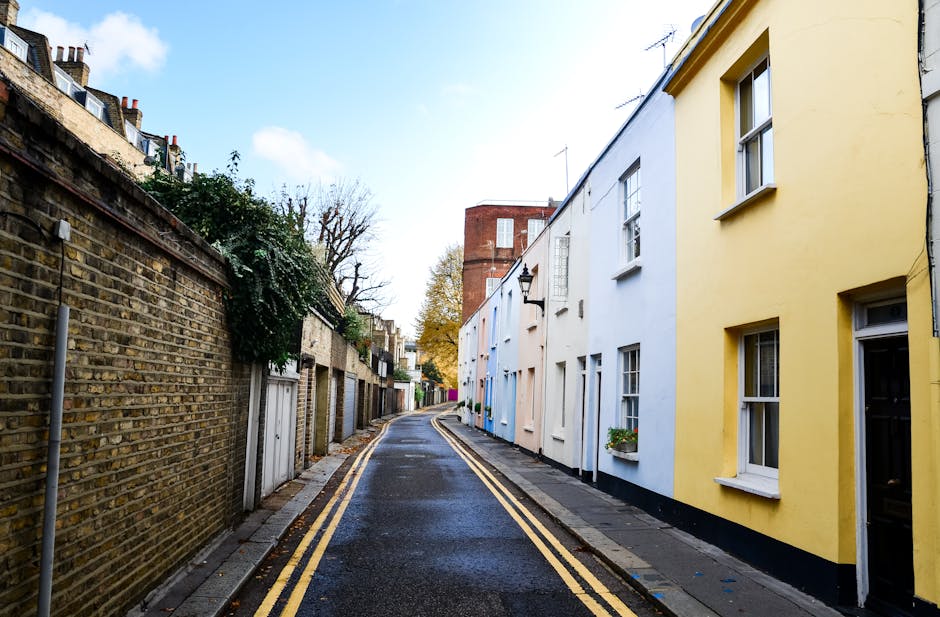
Richmond Hill has the kind of street pattern that rewards careful planning. Some roads are lined with terraced homes, some have very limited curbside space, and many properties sit on streets where a large removal truck would struggle to pass, let alone park safely. If you are moving in or out of the area, the real issue is not just carrying your belongings. It is getting the right vehicle close enough to the property without blocking traffic, risking damage, or causing delays.
That matters for three simple reasons. First, timing. A move that should take a morning can easily drag into the afternoon if the vehicle cannot stop near the front door. Second, safety. Narrow roads leave less room for manoeuvring trolleys, furniture, and awkward items like wardrobes or mattresses. Third, cost control. Poor access often creates extra labour, extra waiting time, and extra frustration. Nobody wants to pay for avoidable chaos.
There is also the neighbour factor. In narrow residential streets, one badly parked van can annoy several households very quickly. You may have to think about access for bins, cars, delivery vans, and pedestrians too. A smooth house move in Richmond Hill is usually the one that feels almost invisible to everyone else on the street. That is the goal.
Expert summary: In narrow-street moves, access planning is not a nice extra. It is the main event. The better the vehicle choice, parking plan, and carrying route, the less stressful the move will be.
If you are comparing moving support options, it is worth looking at broader house removals and whether a more compact service model is a better fit than a large lorry. Sometimes the smallest practical solution is the smartest one.
How Richmond Hill house removals guide for narrow streets Works
Narrow-street removals work best when you treat them like a mini logistics exercise rather than a simple load-and-go job. The process usually starts with an access check. That may be a phone conversation, photos, a site visit, or a quick review of the road layout. The aim is to work out where a vehicle can stop, how far items will need to be carried, and whether there are turning restrictions, parking limitations, or low-hanging obstacles such as branches or signs.
From there, the move is planned around the property rather than the other way round. In some cases, a smaller van is the better option. In others, a larger vehicle can still work if parking is available a short walk away and the loading route is straightforward. The details matter. A compact route with two clear doors and a short carry can be much easier than trying to force a big truck into a road that simply does not want it there.
Good planning often includes several layers:
- deciding where the vehicle can legally and safely wait;
- identifying the shortest practical carry distance;
- protecting stairwells, hallways, and door frames;
- loading bulky items in the right order;
- keeping walkways clear so people can pass safely.
Many narrow-street moves also benefit from a more flexible service model. For example, a man and van setup can be ideal where access is tight and the move is smaller or more fragmented. If the property is a flat, you may also find the planning overlaps with flat removals, especially when stairs, shared entrances, and limited parking all come into play.
Truth be told, the best movers in this situation are the ones who think a step ahead. They are not just lifting; they are sequencing the whole job.
Key Benefits and Practical Advantages
When narrow streets are handled well, the benefits are obvious very quickly. The move becomes calmer, quicker, and far less disruptive. That sounds simple, but on the day it makes a huge difference.
- Less delay: A well-matched vehicle and access plan reduces wasted time.
- Lower risk of damage: Fewer awkward turns and shorter carries mean fewer knocks to walls, paintwork, and furniture.
- Safer handling: Narrow roads can be busy and awkward; good planning keeps people out of harm's way.
- Better neighbour relations: A controlled move is far less annoying for everyone nearby.
- More accurate quoting: When access is understood properly, pricing is usually more realistic.
There is another benefit that people often overlook: decision-making confidence. Once you know a small van, parking dispensation, or timed loading plan is enough, the whole move feels easier to face. You stop imagining disaster every time you look at the road. And yes, that matters.
For some households, it can also make sense to combine moving with temporary extra space. If access is awkward and closing dates do not line up neatly, storage can take the pressure off. That is especially helpful if you are moving from a packed family home, downsizing, or waiting for furniture delivery.
If you are still in the comparison stage, the broader removal services available can help you match the service to the access conditions rather than forcing one standard approach onto every move.
Who This Is For and When It Makes Sense
This guide is for anyone moving in Richmond Hill where street width, parking pressure, or tight access might shape the job. That includes families in terraced houses, people moving into upper-floor flats, tenants on residential roads with little or no private drive, and homeowners whose street fills up with parked cars by late morning. If you have ever watched a van attempt a three-point turn in a road that barely allows two cars to pass, you already know the type of move we are talking about.
It also makes sense if your move includes awkward or fragile items. Large sofas, mirrors, heavy chests of drawers, pianos, and glass furniture all benefit from careful route planning. If you are moving a particularly awkward piece, specialist support such as furniture removals or, in some cases, piano removals may be more appropriate than trying to make do with a standard setup.
It is also relevant for:
- people moving at short notice;
- students relocating into shared accommodation;
- small business owners moving home offices or equipment;
- households with limited packing time;
- anyone who needs a move to happen before or after a building works schedule.
If that sounds like your situation, a more tailored option such as home moves may be a better fit than a one-size-fits-all package. And if your move is unusually time-sensitive, a same day removals option can sometimes help, although narrow access still needs to be checked carefully first. Same day does not magically make a street wider, sadly.
Step-by-Step Guidance
Here is the practical part. If you want a move to work well on a narrow Richmond Hill street, follow the steps in roughly this order. You do not need perfection, just decent preparation.
- Assess the access early. Look at road width, parked cars, turning space, and whether a vehicle can stop close to the property. Take photos from both directions if possible.
- Measure the awkward items. Doorways, stairs, landings, and the furniture itself all matter. A sofa that is technically movable may still catch on a bend in the stairwell.
- Decide on the right vehicle size. A smaller vehicle may save time overall if it can get closer to the house. Bigger is not always better. In narrow streets, it often is not.
- Book the move for the best time of day. Early starts can help avoid traffic buildup and the slow parking battle that often appears later in the day.
- Plan the load order. Heavy or bulky pieces should be loaded first, but only after the safest carry route has been established.
- Protect the property. Use covers, blankets, door protection, and floor runners where needed.
- Keep the route clear. Shoes, plant pots, kids' bikes, and random hallway clutter all become hazards very quickly.
- Confirm who is handling what. If family members are helping, make sure nobody is carrying the same item from opposite ends. It happens. More than you would think.
- Allow extra time. Narrow-street moves rarely reward a tight schedule. A little breathing space goes a long way.
- Review the final plan the day before. Check parking, keys, access codes, and whether anything has changed since the booking.
One useful clarification: if the road is too narrow for a large vehicle to stay parked safely, that does not necessarily mean the move is difficult. It may simply mean the operation needs a smaller van, a shuttle-style approach, or a short carry from a better parking spot. The trick is not to panic at the road; it is to work with it.
Expert Tips for Better Results
Over the years, the best narrow-street moves have usually shared a few habits. Nothing flashy. Just solid preparation and a bit of common sense.
- Photograph the road and frontage in daylight. Pictures show slopes, parking restrictions, and pinch points better than memory does.
- Tell the removals team about exact access issues. Mention bollards, resident bays, one-way systems, shared entrances, and any awkward corners.
- Use colour-coded labels on boxes. When the front door opens onto a small hallway, quick sorting matters.
- Keep one essentials bag separate. You do not want to dig through six boxes to find chargers, medication, snacks, or tea bags at 8:30 on moving morning.
- Wrap corners carefully. Narrow hallways punish loose blankets and exposed furniture legs.
- Have one person coordinate, not three. Too many instructions in a tight space leads to confusion fast.
- Think about neighbours. A quick knock or polite note can make a noisy morning feel far more civil.
Here is a small but valuable tip: if your property has a shared stairwell or common entrance, treat that area like a shared working space. Keep it clear, move steadily, and avoid blocking the passage any longer than necessary. That simple bit of respect goes a long way.
For households looking for a more hands-on approach, a man with van or man with a van style service can be more suitable than a large team and lorry setup. The right fit depends on volume, access, and how much loading help you actually need.
Common Mistakes to Avoid
Narrow streets expose poor planning very quickly. The move itself is often not the problem; the assumptions are.
- Booking the wrong vehicle size: A van that is too big can create more problems than it solves.
- Ignoring parking restrictions: Even a short stop can become an issue if the street is controlled or heavily used.
- Underestimating carry distance: Twenty extra metres might not sound like much until you are carrying a fridge or a double wardrobe.
- Not checking stair turns: A piece that fits in a room may still fail on the stairwell bend.
- Leaving packing too late: Unpacked items slow everything down and increase breakage risk.
- Forgetting about weather: Rain, slippery steps, and cardboard boxes are not a cheerful combination.
- Assuming the team will "just manage": That mindset usually leads to awkward surprises.
Another common mistake is treating narrow access as a last-minute detail. People often spend days planning utilities, keys, and cleaning, then mention the road width in a rushed message the night before. That is not ideal. Give the access issue the attention it deserves from the start.
If you need packing support as part of the move, a service such as packing and boxes can help keep the process organised. And if you want everything unpacked quickly at the other end, packing and unpacking services may be worth considering.
Tools, Resources and Recommendations
You do not need a van full of specialist gadgets to manage a narrow-street move, but a few practical tools make life easier.
- Measuring tape: Useful for checking door widths, stair gaps, and furniture dimensions.
- Mobile phone camera: Take photos of access points, parking spots, and any tight corners.
- Furniture blankets and wrap: Essential for protecting wood, finishes, and painted surfaces.
- Corner guards or padding: Helpful where hallways are tight and walls are easily marked.
- Hand trolley or sack truck: Good for boxes and smaller appliances, provided the route is smooth enough.
- Strong marker pens and labels: Make box identification much faster on arrival.
- Flat, sturdy shoes: Not glamorous, but far safer than soft trainers or anything slippery.
In practical terms, your most valuable resource is good communication. A short conversation before the move, with clear details about access and vehicle restrictions, prevents more trouble than most expensive tools ever will. If you are comparing providers, look at their broader approach to removal companies rather than only the headline price.
It can also help to review the company's approach to safety, insurance, and payments before booking. Those pages are not glamorous, admittedly, but they matter. A mover that is clear about insurance and safety, payment and security, and pricing and quotes usually gives you a better sense of how the move will be handled.
Law, Compliance, Standards, or Best Practice
For narrow-street house removals, most of the important compliance points are practical rather than dramatic. You are mainly dealing with parking, access, vehicle safety, safe lifting, and consideration for other road users. In the UK, movers are generally expected to follow sensible health and safety practices, and customers should also make sure access arrangements are lawful and realistic. That means not blocking emergency access, not assuming you can stop anywhere, and not creating hazards on pavements or in shared spaces.
Best practice usually includes:
- checking whether a parking restriction or permit is needed;
- avoiding unsafe loading in live traffic where possible;
- using appropriate lifting techniques and equipment;
- protecting the property and common areas;
- making sure fragile or heavy items are handled by enough people;
- keeping the move suitably insured and documented.
You may also want to look at the removals company's written policies. For example, a clear health and safety policy and transparent terms and conditions can tell you a lot about how seriously the business takes planning and responsibility. Those pages are not just paperwork; they are part of the trust picture.
If the move also involves disposal of unwanted items, a responsible approach to recycling and reuse is worth asking about. A company that follows a sensible recycling and sustainability approach is often more organised generally. Not always, but often enough to notice.
Options, Methods, or Comparison Table
Different moves call for different approaches. Here is a simple comparison to help you choose what fits narrow Richmond Hill streets best.
| Approach | Best for | Strengths | Limitations |
|---|---|---|---|
| Large removal truck | Big homes with easier access | High capacity, fewer trips | Can struggle on very narrow roads or tight parking |
| Smaller removal van | Terraces, flats, tight streets | Easier manoeuvring, more flexible parking | May need more trips if the load is large |
| Man and van service | Smaller moves, partial loads, student moves | Cost-effective, adaptable, good for short-notice jobs | Less suited to very large households with bulky furniture |
| Storage + staged move | Moves with timing gaps or excess furniture | Reduces pressure, helps with awkward handovers | Extra planning and a separate storage step |
As a rule of thumb, if the road is the main constraint, prioritise manoeuvrability over brute capacity. If the volume is the main constraint, then capacity still matters. The art is balancing both. That is why a flexible removal van can often be the sweet spot for narrow streets, while a larger moving truck is more suitable where access is comfortably open.
For smaller or more time-sensitive moves, especially where the furniture load is modest, man with van can be a clean, practical choice. It is not fancy. It just works.
Case Study or Real-World Example
Picture a typical Richmond Hill move on a weekday morning. The property is a two-bedroom terrace on a narrow residential road. Cars are parked tightly on both sides, and there is no private driveway. The front door opens into a compact hallway, and the largest item is a sofa that looks innocent until it reaches the stairs. The owners have packed well, but they have not yet thought through parking.
In a move like this, the sensible route is to use a smaller van, arrive early, and unload from the nearest lawful stopping point. The team carries furniture in shorter, more controlled runs. A couple of bulky items are wrapped in blankets before loading. The hallway is protected. Boxes are labelled by room. The sofa is moved first, before the street gets busier and before neighbours start returning with shopping bags. Nothing dramatic. Just steady, thoughtful work.
The move finishes with fewer surprises than the family expected, and that is the real win. Not perfection. Just a clean, calm moving day that does not become a neighbourhood spectacle. I have seen the opposite too, and honestly, it is rarely worth the chaos.
If you are moving from a smaller property or student accommodation with similar access issues, the same logic often applies. A compact plan, realistic load size, and careful timing usually matter more than trying to "make it a big job." Sometimes smaller is simply better.
Practical Checklist
Use this checklist a few days before moving day. It keeps the important things from slipping through the cracks.
- Confirm the move date and arrival window.
- Photograph the street, frontage, and any difficult access points.
- Measure large furniture and awkward stair turns.
- Check where the vehicle can legally stop.
- Tell the movers about narrow roads, parked cars, and any low obstacles.
- Set aside parking space if that is possible and lawful.
- Pack fragile items carefully and label them clearly.
- Keep essentials, keys, and documents separate.
- Protect floors, door frames, and corners.
- Let neighbours know if the move will affect the street.
- Review insurance, payment, and terms before the day.
- Have a backup plan in case access is tighter than expected.
A small bit of preparation can save a full day of irritation. And you will feel it the moment the first box reaches the van without a hitch.
Conclusion
Narrow streets do not have to make house removals in Richmond Hill complicated, but they do demand better planning than a standard move. Once you think in terms of access, vehicle size, parking, carry distance, and timing, the job becomes much easier to control. That is really the heart of it. Not bigger effort. Better preparation.
Whether you are moving from a terrace, a flat, or a home with awkward roadside access, the key is to match the service to the street rather than forcing the street to fit the service. Choose the right vehicle, communicate clearly, pack properly, and give yourself a bit of breathing room. Simple advice, maybe, but it works.
Get a free quote today and see how much you can save.
And if the road outside feels a bit too tight right now, that is alright. With the right plan, even a narrow street can lead to a smooth new start.
Frequently Asked Questions
What makes narrow-street house removals in Richmond Hill more difficult?
The main issues are limited parking, tighter turning space, and longer carry distances from the vehicle to the front door. Even a short road can slow everything down if access is awkward.
Should I book a smaller van for a narrow Richmond Hill street?
Often, yes. A smaller van is usually easier to position safely and can reduce the risk of blocking traffic. The right size depends on both access and the amount you are moving.
How far in advance should I mention access problems?
As early as possible. Access details affect vehicle choice, crew planning, and timing. Leaving it until the last minute is a recipe for avoidable stress.
Can a large removal truck still be used on a narrow road?
Sometimes, but only if there is enough space for safe stopping, loading, and turning. In many cases a smaller vehicle is a more practical choice.
What should I measure before moving day?
Measure large furniture, stair widths, door frames, and any tight turns in hallways or landings. Those measurements help you spot problems before the team arrives.
Is a man and van service suitable for narrow streets?
Yes, very often. A man and van service can be a good fit for smaller loads, shorter carry distances, or tighter access.
Do I need to warn neighbours about the move?
It is a considerate idea, especially if the road is narrow or parking is limited. A quick heads-up can reduce friction and make the day feel calmer for everyone.
What if there is nowhere to park near my house?
Then the team may need to use the nearest lawful stopping point and carry items a little further. That is normal in some areas, but it should be factored into the move plan from the start.
How can I protect walls and floors in tight hallways?
Use furniture covers, floor protection, and corner padding where needed. Careful movement and clear routes matter just as much as the materials themselves.
Are packing services worth it for a narrow-street move?
Usually, yes, if you are short on time or have fragile items. Good packing speeds up loading and reduces damage risk, which is especially useful where access is already tricky.
What is the safest way to move large furniture on a narrow stairwell?
Plan the route first, remove obstacles, use enough people, and protect the walls. If an item looks too awkward, it may need specialist handling or a different route altogether.
Can I store items if my move-in and move-out dates do not line up?
Yes. Temporary storage is often a practical fix when narrow access and timing issues collide. It can take a lot of pressure off the day.
How do I know if I need house removals or a more flexible service?
If your property has standard access and a full household load, house removals may be right. If access is tight or the move is smaller, a more flexible setup may be better.
What should I ask before booking?
Ask about vehicle size, parking assumptions, insurance, packing help, and whether they have experience with narrow streets. Clear answers are a good sign. Vague ones are not.